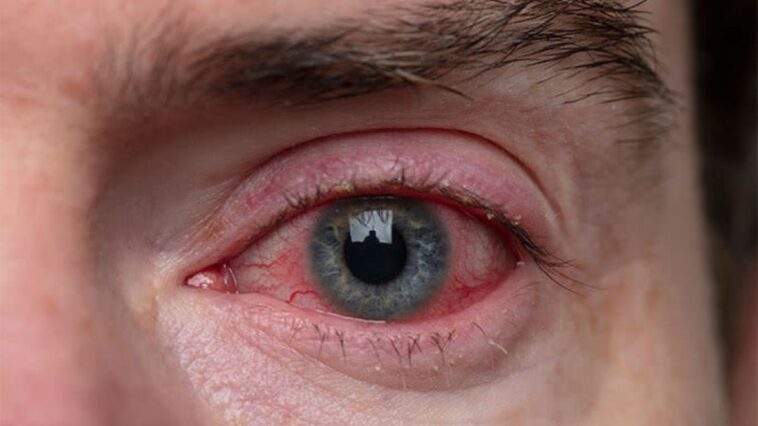
Blepharitis is a common eye condition that causes the edges of your eyelids to become inflamed. This can make your eyelids red, itchy, or irritated. You may notice burning, crusting near your eyelashes, or a gritty feeling in your eyes.
Blepharitis usually does not cause serious vision loss, but it can become a long-term problem if left untreated. Ongoing inflammation can make your eyes uncomfortable and affect their health. With regular care and treatment, most people can keep their symptoms under control.
If you have blepharitis, you may notice your symptoms come and go, often worse in the morning. Blepharitis is often associated with problems with the oil glands in your eyelids, certain skin conditions, and bacteria that accumulate around your eyelashes. With regular care and treatment, you can usually manage your symptoms and lower the chance of flare-ups.
What Causes Blepharitis?
Blepharitis often develops when the normal balance of the eyelids is disrupted. The eyelids contain small oil glands that help keep the surface of your eyes healthy and comfortable. When these glands become blocked or inflamed, irritation and other symptoms may occur.
There are several factors that can contribute to blepharitis, and it is common for more than one cause to be present at the same time.
➤ Common Causes of Blepharitis
- Bacterial overgrowth on the eyelids
- Blocked or dysfunctional oil glands (Meibomian gland dysfunction)
- Skin conditions such as dandruff, seborrheic dermatitis, or rosacea
- Allergic reactions to cosmetics, eye drops, or environmental allergens
- Demodex mites, microscopic organisms that live near hair follicles
- Poor tear quality, leading to dry eye irritation
Since blepharitis often has multiple underlying causes, it tends to be a long-term condition rather than a single, short-term infection.
Types of Blepharitis
Understanding which type of blepharitis you have is important because it helps your eye doctor choose the best treatment and long-term management plan. Blepharitis is classified based on which part of the eyelid is affected.
➤ Types of Blepharitis
| Type |
Location |
Common Cause |
Key Features |
|
Anterior blepharitis
|
Front of eyelid (near lashes) |
Bacteria or dandruff |
Crusting, redness, flakes |
|
Posterior blepharitis
|
Inner eyelid (oil glands) |
Meibomian gland dysfunction |
Dry eye, burning, blurry vision |
|
Mixed blepharitis
|
Both areas |
Combined causes |
Most common form |
Posterior blepharitis is especially common and is closely linked to dry eye disease. This connection can make symptoms more noticeable and longer-lasting.
Blepharitis Symptoms
Blepharitis symptoms often come and go. Many people find that discomfort is worse in the morning or after prolonged screen use. Symptoms often get better with treatment, but they can return if you stop daily eyelid care.
➤ Common symptoms of blepharitis include:
- Itchy, burning, or irritated eyelids
- Red or swollen eyelid margins
- Crusting or flaky debris around the eyelashes
- Greasy or sticky eyelids, especially upon waking
- A gritty or sandy sensation in the eyes
- Excessive tearing or, in some cases, dry eyes
- Sensitivity to light
- Blurred vision that often clears with blinking
- Recurrent styes or tenderness along the eyelids
If your symptoms do not improve with regular eyelid cleaning or get worse, see your eye doctor. They can check your eyes and make sure nothing else is causing your symptoms.
Eye Conditions Commonly Linked to Blepharitis
Blepharitis often shows up with other eye problems, especially if the swelling lasts a long time or is not treated. If you do not manage blepharitis, it can make other eye issues worse or cause new ones.
Controlling eyelid inflammation is important for keeping your eyes comfortable and protecting your long-term eye health.
➤ Conditions Commonly Associated With Blepharitis
| Condition |
How It’s Related |
|
Dry eye disease
|
Poor oil quality destabilizes tear film |
|
Styes (hordeolum)
|
Blocked, infected oil glands |
|
Chalazion
|
Chronic gland blockage |
|
Chronic conjunctivitis
|
Ongoing irritation and redness |
|
Corneal irritation
|
In severe or untreated cases |
Managing blepharitis can help reduce the frequency and severity of related eye problems.
How Blepharitis Is Diagnosed
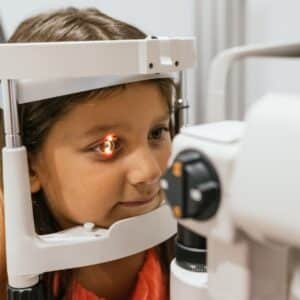
Blepharitis is usually easy for your eye doctor to recognize during a routine eye exam. In most cases, no special tests or imaging are needed to make the diagnosis.
During your visit, your eye doctor will ask about your symptoms and examine your eyes closely. They may do the following:
- Ask about irritation, redness, or discomfort you’ve been experiencing.
- Look closely at your eyelids and eyelashes using a special microscope.
- Check how well your oil glands are working.
- Look for signs of inflammation, bacteria, or tiny mites.
- Evaluate your tear film and overall eye surface health.
In most people, this exam is enough to confirm the diagnosis.
In rare cases, if your symptoms are severe or not getting better with treatment, your doctor may take a small sample from your eyelid to check for infection or an overgrowth of Demodex mites. This is not usually needed, but it can help guide treatment if your blepharitis is difficult to manage.
How Blepharitis Is Treated
There is no permanent cure for blepharitis, but most people can control their symptoms with regular care.
✔ Daily Eyelid Hygiene (Most Important Step)
Keeping your eyelids clean every day is the most important part of treatment and helps prevent flare-ups.
- Apply a warm compress for 5–10 minutes.
- Gently massage the eyelids.
- Clean the eyelid margins with diluted baby shampoo or an eyelid cleanser.
- Repeat once or twice daily.
✔ Artificial Tears
Lubricating eye drops help relieve:
- Dryness
- Burning
- Foreign body sensation
If you need to use artificial tears often, preservative-free drops are usually recommended to help prevent irritation.
✔ Prescription Treatments (When Needed)
Your eye doctor may prescribe:
- Antibiotic ointments or drops
- Anti-inflammatory medications
- Treatments for rosacea or skin inflammation
- Medications targeting meibomian gland dysfunction
✔ Treating Underlying Conditions
If you have dandruff, rosacea, or allergies, treating these conditions can help reduce blepharitis flare-ups.
Does Poor Hygiene Cause Blepharitis?
Poor hygiene does not directly cause blepharitis. However, if you do not clean your eyelids regularly, symptoms can get worse, and bacteria may build up around your lashes.
Even people with excellent hygiene can develop blepharitis due to:
- Skin conditions
- Oil gland dysfunction
- Genetic predisposition
No matter your hygiene habits, regular eyelid care is important for managing blepharitis symptoms.
How Long Does Blepharitis Last?
Blepharitis is usually a long-term condition, so it may not go away completely.
- Mild cases may improve within weeks.
- Chronic cases require long-term management.
- Symptoms often come back if treatment is stopped.
With the right care, most people can keep their symptoms under control and enjoy long-term comfort.
When to See an Eye Doctor
You should schedule an eye exam if you experience:
- Persistent eyelid redness or swelling
- Recurrent styes or eyelid bumps
- Blurred vision that doesn’t improve
- Eye pain or light sensitivity
- Difficulty wearing contact lenses
You should seek urgent care if you develop severe eye pain, sudden vision loss, or significant swelling of your eyes.
Blepharitis Explained by an Eye Doctor
Blepharitis is a common cause of ongoing eyelid discomfort. While it can be frustrating, it is rarely dangerous when managed properly.
The most important part of controlling blepharitis is to be consistent with your care. This means:
✔ Daily eyelid hygiene
✔ Treating underlying conditions
✔ Regular eye checkups
With the right care, most people can keep their eyes comfortable and healthy, and help stop flare-ups before they start.
Summary
Blepharitis often occurs with other eye problems and can make them worse if left untreated. Ongoing eyelid swelling can lead to dry eye, recurring styes, and long-lasting irritation. Taking care of blepharitis with regular eyelid cleaning and your doctor’s help can cut down your symptoms, help you feel better, and protect your eyes for the future.