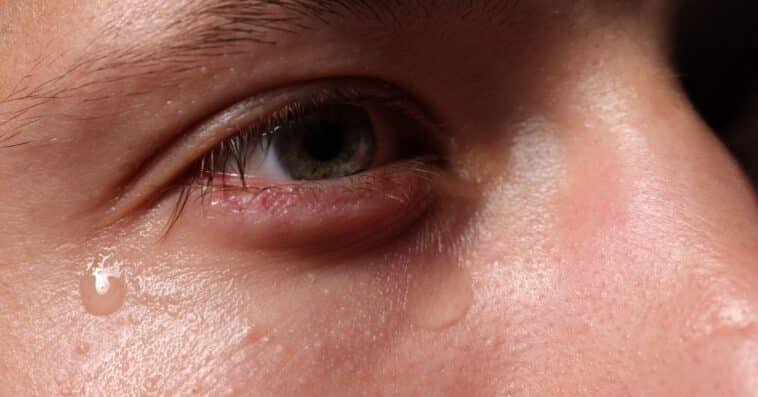
Eye infections can cause mild irritation or, if left untreated, worsen quickly and threaten your vision. Some infections linked to contact lens use or corneal disease can lead to permanent damage. Knowing the early warning signs can help you protect your eyesight.
The CDC estimates that approximately 1 in 5 contact lens–related corneal infections involve behaviors such as sleeping in lenses or water exposure.
An eye infection occurs when germs, such as bacteria, viruses, fungi, or parasites, enter your eye or the tissues around it. This can cause inflammation in the conjunctiva (the thin layer covering the white part of your eye), the cornea (the clear front surface), the eyelids, or deeper parts of the eye.
Some eye infections spread easily from person to person. Others can happen after you use contact lenses, have an eye injury or surgery, or have other health problems.
This guide explains:
- The warning signs of an eye infection
- What causes eye infections
- The most common types
- How they are diagnosed
- Treatment options
- Prevention strategies recommended by eye specialists
Eye Infection: Quick Facts
• Most common cause: Viral conjunctivitis
• Most vision-threatening surface infection: Microbial keratitis
• Highest complication risk: Contact lens misuse
• Emergency signs: Pain, light sensitivity, vision changes
• Prevention: Proper hand washing and contact lens care
Signs and Symptoms of an Eye Infection
The symptoms of an eye infection depend on the cause and severity. Most infections cause noticeable changes in your eyes or vision.
Some of the most common warning signs of an eye infection include:
- Eye redness
- Swelling of the eyelids
- Discharge (clear, yellow, or green)
- Eye pain or pressure
- Blurred or reduced vision
- Light sensitivity (photophobia)
- Itching or irritation
- Crusting on the eyelids, especially in the morning
According to the American Academy of Ophthalmology (AAO), pain, light sensitivity, or vision changes are red flags that require immediate medical evaluation.
If your symptoms suddenly get worse, or you notice any changes in your vision, call your eye doctor right away.
What Causes Eye Infections?
Eye infections start when germs like bacteria, viruses, fungi, or parasites get into your eye and beat your body’s natural defenses. Your tears, blinking, and immune system all help protect your eyes from infection.
1. Bacterial Infections
Common bacteria include:
- Staphylococcus aureus
- Streptococcus pneumoniae
- Pseudomonas aeruginosa (often linked to contact lenses)
Bacterial infections usually make your eye red and can cause thick, sticky discharge.
2. Viral Infections
Viruses are a leading cause of “pink eye” (viral conjunctivitis).
Common viruses include:
- Adenovirus
- Herpes simplex virus
- Varicella-zoster virus
Viral eye infections are very contagious and can spread quickly from one person to another.
3. Fungal Infections
Fungal eye infections are less common than bacterial or viral infections, but they can be serious if they happen.
More likely after:
- Eye injury with plant material
- Eye surgery
- Weakened immune system
4. Parasitic Infections
Parasitic eye infections are rare. But they can be severe and need quick treatment.
Acanthamoeba keratitis is associated with contact lens exposure to water (tap water, swimming pools).
CDC data shows contact lens wear increases infection risk when hygiene guidelines are not followed.
5. Allergic or Environmental Triggers
Allergies are not infections. But severe allergic reactions can look like an infection and may make it easier for germs to get into the eye.
How Eye Infections Are Diagnosed
Getting the correct diagnosis is important because the best treatment depends on the cause of your infection.
An ophthalmologist may perform:
- Visual acuity testing
- Slit-lamp examination
- Fluorescein staining (to detect corneal damage)
- Swab cultures (if discharge is severe)
- Imaging (in suspected orbital cellulitis)
Lab tests may be needed if your infection is severe, keeps recurring, or does not respond to usual treatment.
Types of Eye Infections
Not all eye infections are the same. Some only affect the surface of your eye and get better with simple treatment. Others can go deeper and may cause lasting vision loss if you don’t treat them quickly.
Knowing where the infection is and how serious it is can help you and your eye doctor protect your sight.
✔ Conjunctivitis (Pink Eye)
Conjunctivitis is inflammation or infection of the conjunctiva, which is the thin membrane that covers the white part of your eye and lines the inside of your eyelids.
It may be caused by:
- Viruses (the most common cause)
- Bacteria
- Allergies
- Chemical irritation (from things like smoke or cleaning products)
Common symptoms are redness, tearing, discharge, eyelid swelling, and irritation.
Viral conjunctivitis is highly contagious and often associated with cold symptoms.
Most cases of conjunctivitis are mild. Getting the correct diagnosis helps you get the right treatment and avoid antibiotics when they are not needed.
✔ Keratitis (Corneal Infection)
Keratitis is an infection of the cornea, which is the clear, dome-shaped front surface of your eye.
Keratitis is more serious than conjunctivitis. Without quick treatment, it can cause:
- Corneal scarring
- Permanent vision reduction
- Severe pain
- Light sensitivity
Contact lens wearers are at significantly higher risk, especially if they:
- Sleep in lenses not approved for overnight wear
- Expose lenses to water (showering, swimming)
- Reuse or “top off” cleaning solution
Microbial keratitis is an eye emergency. You need quick evaluation and treatment to prevent lasting vision damage.
✔ Blepharitis (Eyelid Inflammation)
Blepharitis affects the eyelid margins where eyelashes grow.
It is often chronic and may recur. Symptoms include:
- Red, swollen eyelids
- Crusting at the lash base
- Burning or gritty sensation
- Fluctuating blurry vision
Blepharitis is often linked to too much bacteria on your eyelids, skin conditions like seborrheic dermatitis, or problems with the oil glands in your eyelids.
Blepharitis does not usually threaten your vision. If left untreated, it can increase your risk of getting styes, chalazia, or other eye infections.
✔ Orbital Cellulitis (Deep Eye Socket Infection)
Orbital cellulitis is a serious infection that happens behind your eye. It usually spreads from a sinus infection.
Symptoms may include:
- Severe eyelid swelling
- Painful eye movement
- Bulging of the eye (proptosis)
- Fever
- Double vision or reduced vision
Orbital cellulitis is a medical emergency. Without fast treatment with IV antibiotics, it can cause vision loss, abscesses, or even a brain infection.
Urgent hospital treatment is required.
✔ Endophthalmitis (Infection Inside the Eye)
Endophthalmitis is a rare but very serious infection of the inside of your eye.
It most commonly occurs:
- After eye surgery (especially cataract surgery)
- After penetrating eye trauma
- Rarely via bloodstream infection
Symptoms develop rapidly and may include:
- Severe eye pain
- Marked redness
- Sudden vision loss
- Light sensitivity
You need immediate treatment by an eye doctor, often with antibiotics injected into your eye, to prevent permanent vision loss.
✔ Infectious Uveitis
Uveitis is inflammation of the uvea, which is the middle layer of blood vessels in your eye.
Although many cases are autoimmune, infectious causes include:
- Herpes viruses
- Toxoplasmosis
- Tuberculosis
- Syphilis
Symptoms may include:
- Eye pain
- Redness
- Blurred vision
- Floaters
- Light sensitivity
Infectious uveitis needs an accurate diagnosis. The wrong treatment can make the inflammation worse.
✔ Herpes Simplex Keratitis
Herpes simplex keratitis is a viral infection of the cornea caused by the herpes simplex virus.
It is known for:
- Recurrent flare-ups
- Corneal ulcer formation
- Risk of permanent scarring
If you get herpes simplex keratitis more than once, it can slowly make your cornea less clear and hurt your vision. Getting early treatment with antiviral medicine can help lower your risk of problems.
Treatment Options for Eye Infections
The best way to treat an eye infection depends on the cause. Using the wrong medicine or waiting too long to get help can make things worse and put your vision at risk. That’s why you should always get checked by an eye doctor before starting any treatment.
Here’s how different types of eye infections are typically managed:
Bacterial infections, such as bacterial conjunctivitis or certain types of keratitis, are usually treated with:
- Prescription antibiotic eye drops
- Antibiotic ointments (often used at night)
- Oral antibiotics are used for more severe or spreading infections
Most mild bacterial infections improve within a few days once you start treatment. But if the infection is in your cornea (bacterial keratitis), you need fast and strong treatment. If you wait, it can cause scarring or even permanent vision loss.
The American Academy of Ophthalmology emphasizes that any corneal infection should be treated urgently, as corneal scarring can permanently affect vision within days.
Many viral eye infections, especially viral pink eye, do not need antibiotics.
Treatment often focuses on:
- Supportive care (cool compresses, artificial tears)
- Lubricating eye drops to reduce irritation
- Careful hygiene to prevent spreading the infection to others
If the infection is caused by the herpes simplex virus, your doctor may prescribe antiviral eye drops or oral medicine. Herpes-related eye infections require close follow-up because they can recur and affect the cornea.
Fungal eye infections are less common but can be serious. They are more likely after an eye injury with plant material or if you have a weakened immune system.
Treatment may include:
- Antifungal eye drops
- Oral antifungal medications
- Long-term monitoring to ensure the infection fully clears
Fungal infections can take a long time to heal. Getting an early diagnosis is very important.
- Severe or Vision-Threatening Infections
Some infections, such as orbital cellulitis, severe keratitis, or endophthalmitis, are medical emergencies.
Treatment may involve:
- Hospital admission
- Intravenous (IV) antibiotics
- Injection of medication directly into the eye
- Surgical intervention to remove infected tissue in rare but serious cases
Getting treatment quickly in these situations can help protect your vision and prevent serious problems.
• Why Proper Diagnosis Matters
Not all red eyes indicate an infection. Allergies, dry eye, and other problems can look the same but need different treatments. Don’t use leftover antibiotics or over-the-counter drops without talking to your doctor first. That can delay getting the right care.
If you have pain, light sensitivity, blurry vision, or your redness is getting worse, don’t try to treat it yourself or wait to see a doctor. These could be signs of a serious eye infection, such as keratitis or uveitis, and you need urgent care. Getting help early can lower your risk of scarring or permanent vision loss.
The American Academy of Ophthalmology (AAO) recommends completing all prescribed medication, even if symptoms improve early. Stopping treatment too soon can allow the infection to return or contribute to antibiotic resistance.
When Is an Eye Infection an Emergency?
Most mild eye infections get better with the right treatment. But some can get worse fast and threaten your vision or even your health if you don’t treat them.
Seek immediate medical care if you notice:
- Severe or deep eye pain
- Sudden vision loss or rapid vision changes
- Strong light sensitivity
- Increasing eyelid swelling
- Bulging of the eye
- Fever along with eye symptoms
These signs can be caused by serious conditions such as corneal infections (keratitis) or orbital cellulitis, which is an infection that spreads behind the eye. Waiting too long to get treatment can cause permanent corneal scarring, vision loss, or other serious problems in just a few days. In rare cases, the infection can spread beyond the eye and become life-threatening.
If your symptoms seem much worse than simple pink eye, trust your instincts. Seeing an eye doctor early can make the difference between a simple treatment and a serious problem.
How to Prevent Eye Infections
The good news is that most eye infections can be prevented.
According to the Centers for Disease Control and Prevention (CDC), simple hygiene habits can lower your risk of eye infections, especially if you wear contact lenses.
Here’s what actually makes a difference:
- Wash your hands often, especially before touching your eyes or contact lenses.
- Avoid rubbing or touching your eyes, particularly with unwashed hands.
- Do not share eye makeup, contact lenses, or eye drops.
- Follow strict contact lens hygiene. Clean and store your lenses exactly as your eye doctor recommends.
- Keep lenses away from water, including tap water, showers, pools, and hot tubs.
- Replace your contact lens case every three months, or sooner if it looks damaged or dirty.
If you wear contact lenses, you have a higher risk of infection if you do not follow care instructions. Sleeping in lenses that are not approved for overnight use is a major risk factor for serious corneal infections.
You should never sleep in your contact lenses unless your eye doctor has specifically told you they are safe for extended wear.
Simple daily habits can help protect your vision over time. Many serious eye infections start with preventable hygiene mistakes.
Summary: Protecting Your Vision
Eye infections are common, but you shouldn’t ignore them or think they’re just a little irritation. Many cases are mild and respond to the right treatment, but some, especially corneal infections, can worsen quickly and cause permanent vision loss if you don’t treat them.
The best way to protect your sight is to catch problems early, get the right diagnosis, and start treatment as soon as possible. Pain, light sensitivity, blurry vision, or worsening redness are not normal. If you notice these, see an eye doctor right away.
Most serious problems from eye infections can be prevented. If you get medical help quickly, maintain good hygiene, and follow your doctor’s advice, most eye infections can be treated without lasting damage.
If you’re not sure if your symptoms are serious, it’s always safer to get checked. When it comes to your vision, getting care early can make all the difference.